Reading Tournament Updates by Chip Position Instead of Headlines
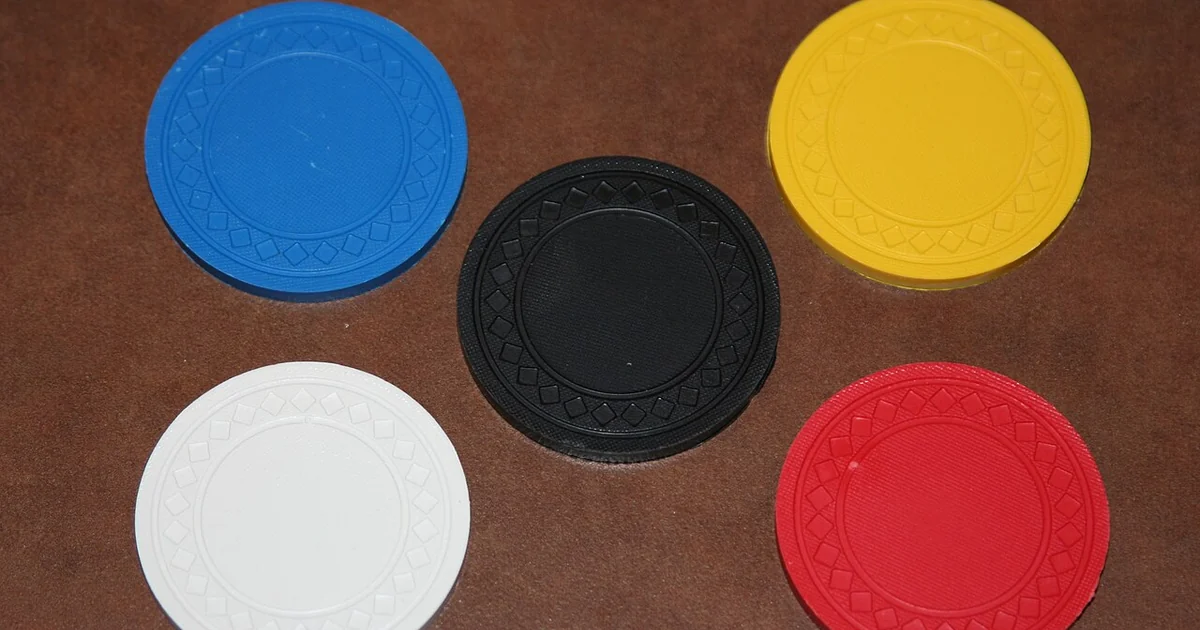
Most poker tournament coverage arrives in fragments: a bust-out notice, a short recap, a photo from the final table. Those fragments are useful, but they can leave a follower with a distorted sense of who is actually in contention. A different approach is to read updates through chip position, meaning where a player sits relative to the field, the blind structure, and the average stack at each stage. This article describes how a poker fan can use that lens to follow tournament updates with more clarity, and what questions to ask when the story seems to shift from one update to the next.
Why headlines describe outcomes while chip position describes leverage
A headline usually reports what happened: a player doubled up, a favorite was eliminated, a name reached the final table. Chip position reports what is possible next. A player with a large stack relative to the average has more room to wait for good spots, while a short stack near the money bubble faces a different set of pressures. When you read an update, the most useful question is often not who won the hand but where that result leaves each remaining player in terms of chips and blind pressure.
Tournament structure makes this lens especially valuable. Blinds rise on a schedule, so a stack that looked comfortable at one level can become fragile after a few increases. An update that mentions a chip count without the level it was recorded at is missing context. Fans who track blind levels alongside chip counts tend to notice when a storyline is overstated, such as a player described as dominant despite having fewer chips than the average stack.
Building a simple tracking routine across a single event
A practical routine starts with recording three numbers at every update you follow: the player's chip count, the average stack, and the current blind level. Ratios are easier to compare than raw totals. A stack equal to roughly the average is a stable position, while a stack well below it signals urgency. Write these down in a plain notebook or spreadsheet, along with the time of the update, since many tournaments post information in batches and the gap between posts can hide large swings.
Next, track table changes. When players move tables, the composition of each table affects how much pressure a given player faces. A short stack seated beside aggressive short stacks faces a different situation than one seated among players who are comfortable and passive. Reporters do not always describe these shifts, so a fan who notes seating changes can reconstruct the story more accurately than someone relying only on summaries.
Questions to ask when an update seems to change direction
Sudden narrative shifts deserve scrutiny. If a player goes from being described as a contender to being written off after one hand, ask whether the chip count supports that change. A single large pot can alter stacks significantly, but a dramatic reversal in coverage may reflect the writer's emphasis rather than new information. Comparing two or three consecutive updates usually shows whether the change is real or a matter of framing.
It also helps to ask what the update leaves out. Does it name the blind level? Does it give the average stack? Does it mention how many players remain relative to the paid positions? Missing numbers do not mean an update is wrong, but they limit how much weight you should place on its conclusions. Reading with these questions in mind keeps your interpretation tied to the structure of the event instead of the momentum of the coverage.
A short checklist for following updates by chip position
Before trusting a tournament update, check four things. First, confirm the blind level and time of the update. Second, compare the player's chip count to the average stack and note the ratio. Third, see whether the update describes table changes or seat assignments that affect pressure. Fourth, compare the story with the previous update to see whether the chip movement justifies any shift in tone.
Keeping this checklist consistent across a multi-day event lets you build a timeline that is more reliable than any single headline. Over time you will also notice which kinds of updates tend to include the numbers you need and which tend to rely on narrative shorthand. Use that observation to decide how much weight each source deserves, and treat chip position as the anchor for everything else you read about the tournament.